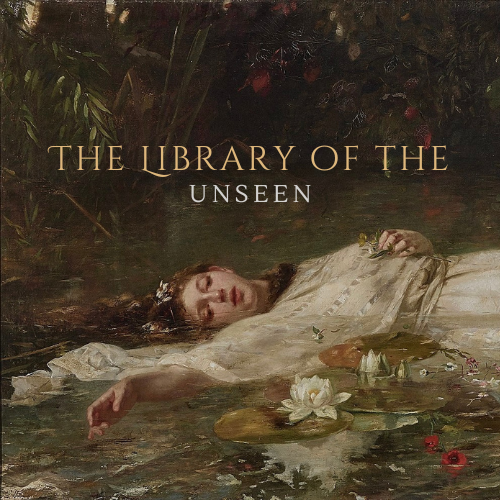

Often called The Maiden and known for its wisdom and intelligence, Virgo is the sixth sign of the zodiac wheel, located between Leo and Libra. It rules from about August 23 to September 22, marking the important shift from summer to fall.
The Virgo constellation is actually one of the largest in the sky, stretching across a vast section of the zodiac. It is most visible in the spring and early summer months in the Northern Hemisphere, and its brightest star is Spica—one of the brightest ones in the night sky. Curiously enough, in Latin, ‘Spica’ means ‘ear of wheat’, symbolising all the typical themes of Virgo season, such as fertility, harvest, and nourishment. Themes that are particularly important during this period—the harvest season and the arrival of autumn. Virgo, in fact, as a constellation, has been associated with agriculture and the changing of seasons for thousands of years.
Virgo’s second name, like I already mentioned, is ‘The Maiden’, and not without a reason. Like all the zodiac signs, this constellation as well is linked to Greek mythology; however, this time, in a slightly different way. Virgo is, in fact, mostly associated with Astraea, the goddess of justice, innocence, and purity. She was said to be the last immortal to live among humans during the Golden Age (a time when humanity was virtuous and at peace with nature). As fate wants, however, humanity is doomed to destroy itself; therefore, as mortals entered darker and more corrupted ages, with each one, people became more violent, greedy, and disconnected from the divine, and, one by one, gods and goddesses withdrew from Earth in disappointment. It was lovely to discover that Astraea remained the longest, refusing to give up on humankind. And it was heartbreaking to discover that, eventually, even she could no longer bear our cruelty. In the legend, she then ascended to the heavens, where she became the constellation of Virgo, although it is said that she still watches over the world, holding hope that one day justice, kindness, and balance will return.
To be honest, I fear that we have strayed so far from harmony that Astraea won’t be coming back anytime soon. But, like they say, hope dies last. Astraea is often shown holding scales, representing fairness and truth, and those very scales later became the constellation of Libra. But, for now, let’s remain on Virgo.
Like I already wrote, Virgo’s mythology is different from the other ones because it has not only one origin but multiple ones. For example, it is also associated with Demeter, the goddess of harvest, her daughter Persephone, and the kidnapping of the latter to the underworld by Hades. The myth tells that Demeter’s grief caused the Earth to wither, leading to the first ever winter, reflecting Virgos’ deep ties to fertility and seasonal cycles.
We can then say that all these elements, from resilience, order, and care, appear often when talking about people born under this zodiac sign. And, having met quite a few Virgos in my life, I definitely agree.
Virgo is also an earth sign ruled by the planet Mercury, which is why it is described as extremely logical, structural, precise, methodical, analytical… and the list could go on forever. However, it is also a mutable sign, meaning it adapts and shifts in thoughtful, even soft ways. People born under this zodiac can make great writers, teachers, and caretakers. Sometimes they can come off as a little bit too uptight or critical, but don’t listen to others, because Virgos are deeply empathetic and devotional, and—I like to think—much like Astraea, they’re simply trying their best in a world that can be cruel and that often forgets how to be kind.
Up, Virgo Illustration by my amazing Twin Soul
Sources:
The Only Astrology Book You’ll Ever Need by Joanna Martine Woolfolk (2012)


 The Library of the Unseen
Penny for your thoughts…